
Fence planning
Can a Fence Be Installed Directly on a Property Line?
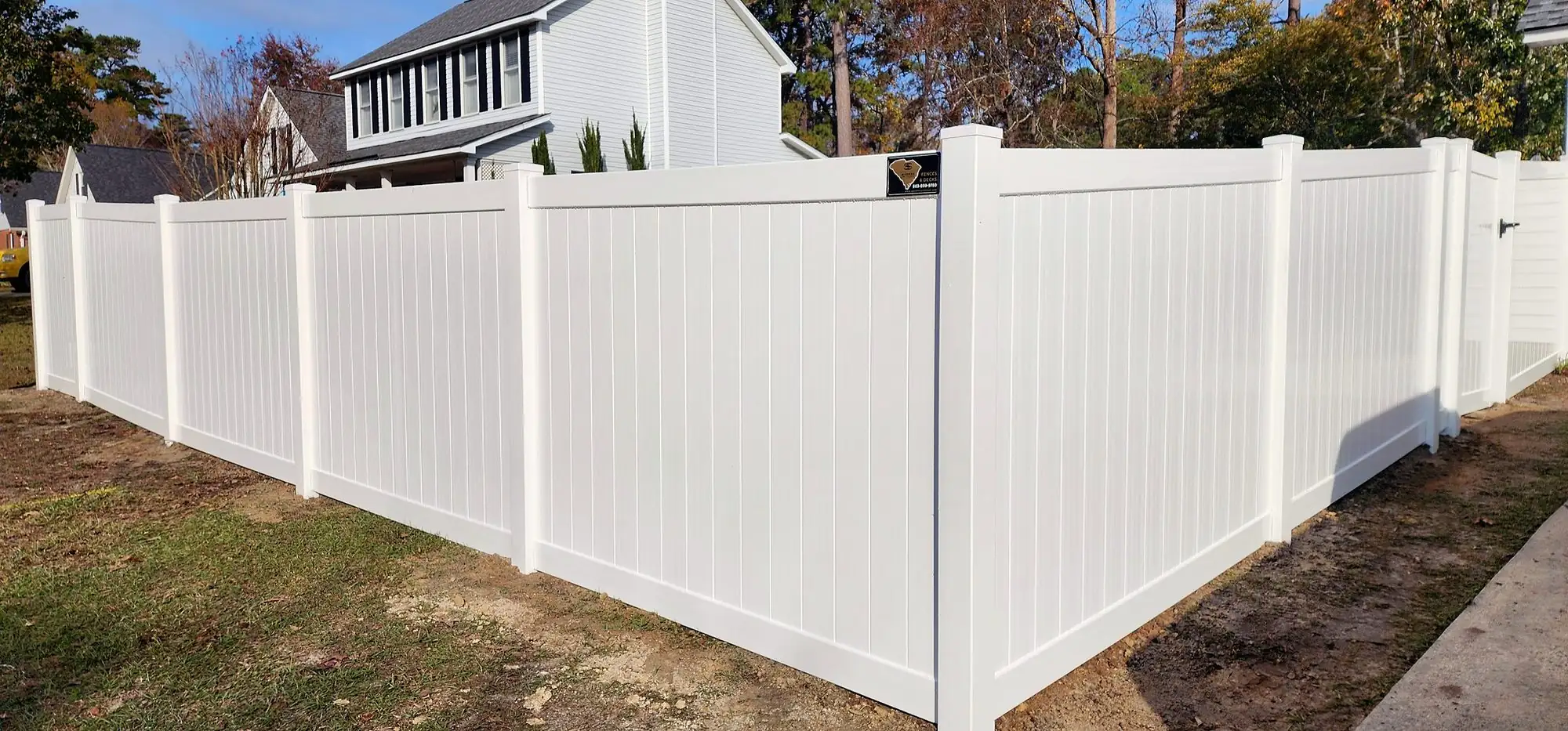
Often, yes. But whether you should is a different question, and the answer depends on where the line really is, who owns the fence once it is up and what your town and HOA allow. Here is what to check before a single post goes in.
Know where the line is
A property line comes from a survey. It does not come from where the old fence sits, where the shrubs were planted or where a neighbor says it is. Fences drift over the years, and plenty of them have never been on the line.
If you have a survey from when you bought the house, dig it out. If the line is in doubt, a surveyor can mark it. We build where the survey stakes or your survey say, and we do not set the line ourselves. A little time here prevents the most expensive kind of mistake, a fence on the wrong side.
On the line or inside it
There are two common choices.
A boundary fence sits right on the line. Both neighbors can end up with a say in it, and repairs and upkeep are often shared. An offset fence sits a few inches or a couple of feet inside your property. It is yours alone, you keep full control, and you are not at risk of building on a neighbor’s land.
Many homeowners choose the offset because it keeps things simple. If you want to build on the line, get a clear understanding with the neighbor first.

Have the neighbor talk first
You usually do not have to, but you should. A conversation before the crew arrives costs nothing and can head off a dispute that lasts for years. Tell them what you are building, the style, the height and the timing, and which side the finished face will be on. If you agree to share the fence, put the agreement in writing, including who maintains it.
What your town, county and HOA may say
Rules vary from town to town and county to county, and they cover height, how far the fence has to sit from the property line, which side faces out, and what is allowed near streets and corners. Corner lots often have extra sight line rules. The rules in Irmo are not the rules in Columbia, and your county may differ again.
If you are in an HOA, check its rules too. HOAs often have their own say about materials, colors, height and placement, and their approval can take time.
So call your local building or zoning office and ask what applies to your address. The homeowner pulls any permit, and our contract says so. Tell us early what your town or HOA wants, so we can plan the schedule around it.
Easements and utilities
An easement is a strip of land that a utility or a town has the right to use, and it often runs along a property line. A fence built on an easement may have to come out if the utility needs access. Your survey usually shows easements, so check it before you plan the fence line.
Before we dig any post hole, utilities get marked through 811. The marks tell us where lines run, and the fence is laid out around them.

Do not guess, and do not skip the plan
Building a fence is not the place to guess. A fence on the wrong side of the line can mean taking it out and building it again. Getting the line, the rules and the neighbor sorted first is cheaper than any fix later.
Who owns the fence
Ownership follows where the fence sits. A fence built entirely on your side of the line is yours, and the upkeep is yours. A fence built right on the line can be treated as shared, which is why a written agreement helps. It should say who pays for repairs, who stains or cleans it and what happens if one of you sells the house. Neighbors change, and a paper agreement outlives a handshake.
Before you call us
It helps to have a few things in hand. Bring your survey if you have one. Know where you want the gates. Have the HOA rules or approval letter ready if you are in one. And if you have already talked to the neighbors, tell us how it went. None of that is required to get started, but it makes the walk go faster.
Where we come in
Show us your survey or point out the stakes, tell us what you want the fence to do, and we will walk the line with you. We will go over style, height and gates, and you will get a clear written proposal. Ask for an estimate, see our fence types, or call or text 803-609-9760.